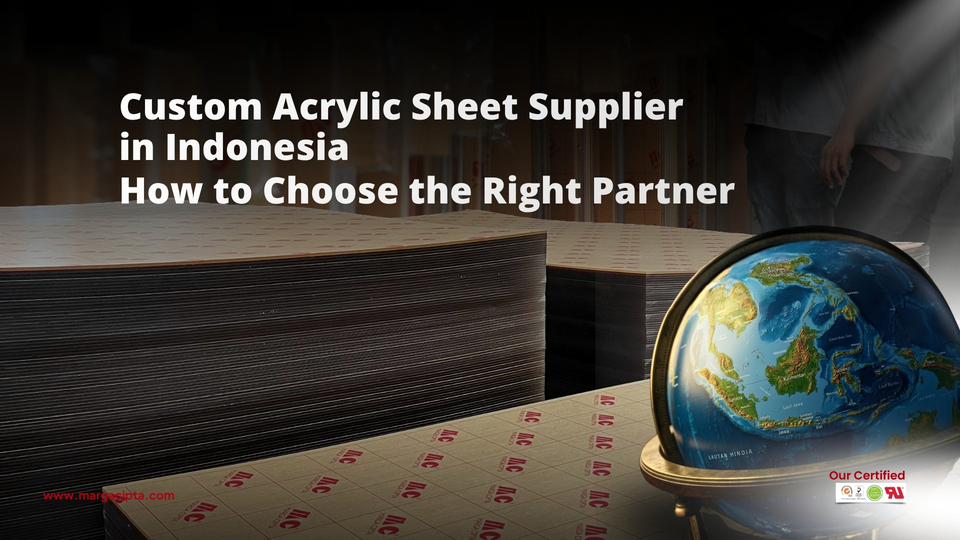
Custom Acrylic Sheet Supplier in Indonesia: How to Choose the Right Partner

Informational

As demand for acrylic products continues to grow, finding a reliable custom acrylic sheet supplier in Indonesia becomes increasingly important.

Whether for retail displays, signage, construction, or industrial use, choosing the right supplier can significantly impact your project’s quality and efficiency.

But with many options available, how do you choose the right partner?

Why Choosing the Right Supplier Matters

A good supplier does more than just provide materials. They ensure:

  • Consistent product quality
  • Accurate customization
  • Reliable delivery timelines
  • Professional support and consultation

Working with the wrong supplier can lead to delays, poor results, and higher costs.

Find out key factors to consider and how to find a good acrylic supplier for your needs.

Read more: 100% Virgin MMA: The Key to High-Quality Acrylic Sheets

Key Factors to Consider

1. Product Quality

High-quality acrylic should have:

  • Excellent clarity
  • Smooth surface finish
  • Strong durability

Always check if the supplier offers cast acrylic for premium applications.

2. Customization Capability

A reliable supplier should provide:

  • Custom cutting and sizing
  • Bending and forming
  • Laser cutting

This is crucial for projects that require precise specifications.

3. Variety of Options

Choose a supplier that offers:

  • Multiple thickness options
  • Clear, colored, and frosted acrylic
  • Different acrylic types for various applications

More options mean better flexibility for your project.

4. Experience and Reputation

Look for suppliers with:

  • Proven track record
  • Positive client feedback
  • Experience in handling diverse industries

Experienced suppliers are more likely to understand your needs.

5. Lead Time and Availability

Timely delivery is essential, especially for business projects. Ensure the supplier can:

  • Meet deadlines
  • Maintain consistent stock availability

Read also: Does Acrylic Shatter? Find Out Its Strength and Durability

Questions to Ask Before Choosing

  • Do they provide custom fabrication services?
  • What types of acrylic do they offer?
  • Can they handle bulk orders?
  • How fast is their production and delivery time?

Common Mistakes to Avoid

  • Choosing based on price alone
  • Ignoring material specifications
  • Not verifying supplier credibility

These can result in poor-quality output and project delays.

Benefits of Working with a Professional Supplier

A trusted supplier helps you:

  • Achieve precise results
  • Reduce material waste
  • Improve overall project quality

They act as a partner, not just a vendor.

Conclusion

Choosing the right custom acrylic sheet supplier in Indonesia requires careful consideration of quality, capability, and reliability.

Need a trusted acrylic partner?

Marga Cipta offers custom acrylic sheet solutions with various types, sizes, and fabrication options to support your project needs. Work with a supplier that understands quality and precision.
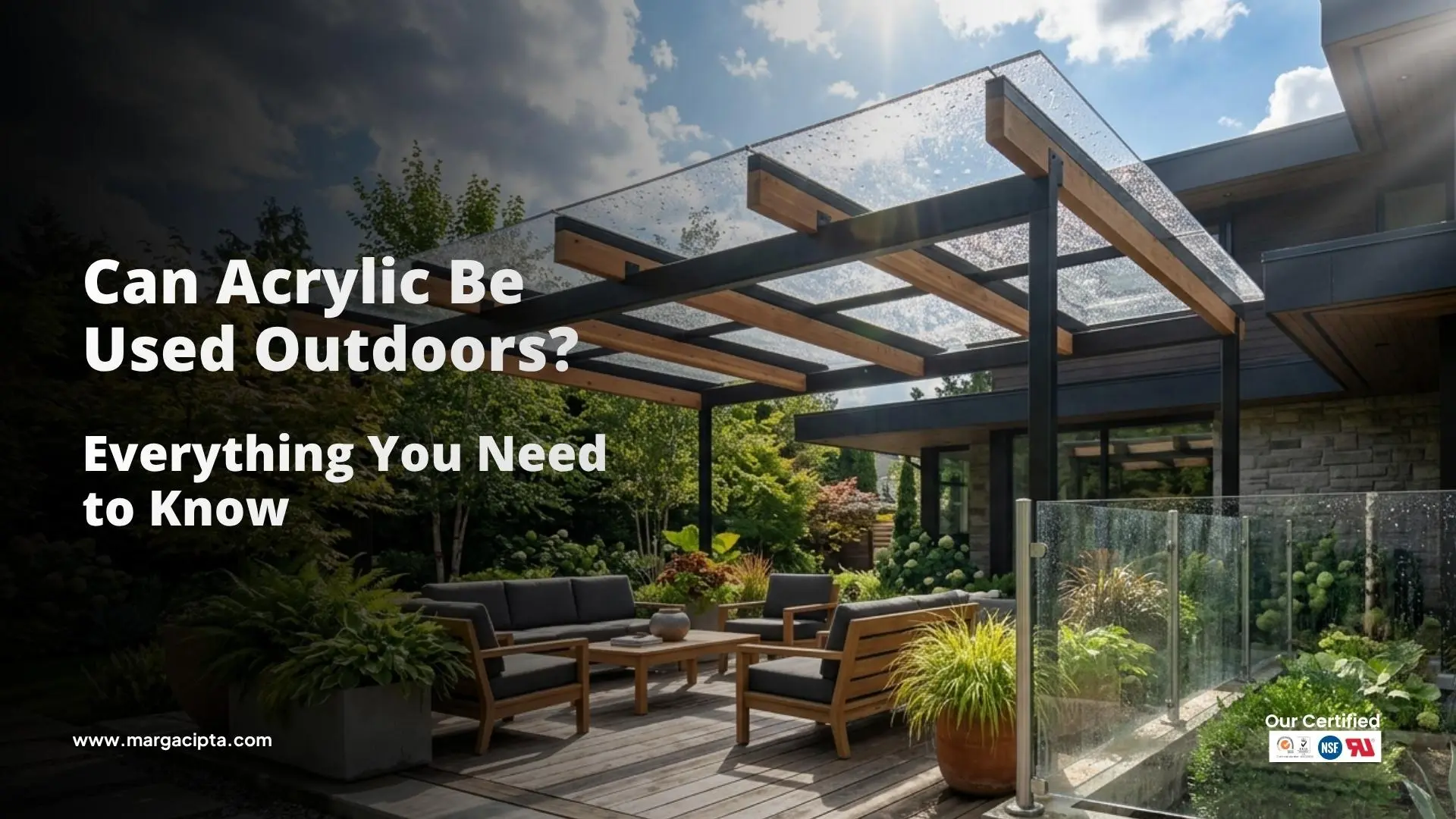

News Release

Acrylic vs Polycarbonate: Full Comparison

When choosing the right plastic material for your project, the debate between acrylic vs polycarbonate often comes up. 

Both materials are widely used in industries such as construction, signage, and manufacturing, but they have distinct characteristics that make them suitable for different applications.

Acrylic Versus Polycarbonate

Understanding their differences can help you make a more informed decision based on performance, durability, and cost.

1. Strength and Impact Resistance

One of the key differences between acrylic and polycarbonate lies in their strength, but for most applications, acrylic already offers more than enough durability.

Acrylic is a strong and rigid material, even stronger than glass in many cases, making it highly reliable for everyday use. Its solid structure allows it to maintain shape and stability, which is especially important for applications like displays, signage, partitions, and decorative panels.

While polycarbonate is often highlighted for its extreme impact resistance, this level of durability is typically only necessary for high-stress or industrial applications. For general commercial and design purposes, acrylic provides the ideal balance between strength and functionality.

Read also: How to Identify High-Quality Cast Acrylic Sheets

2. Clarity and Aesthetics

If visual clarity is your top priority, acrylic is the clear winner. Acrylic sheets offer exceptional optical clarity, often compared to glass, with a light transmission rate of up to 92%.

This makes it ideal for applications such as retail displays, aquariums, and architectural elements.

Polycarbonate is slightly less clear and may have a subtle haze. While still transparent, it does not provide the same premium look as acrylic.

3. Scratch Resistance

Acrylic has better natural scratch resistance compared to polycarbonate. This makes it more suitable for applications where surface appearance is important.

Polycarbonate, while stronger, is more prone to scratches and often requires additional coatings to maintain its appearance over time.

4. Weather and UV Resistance

Acrylic performs very well in outdoor environments. It has excellent UV resistance and does not yellow easily, making it a great choice for outdoor signage, skylights, and decorative panels.

Polycarbonate can also be used outdoors but usually requires UV coating to prevent yellowing and degradation over time.

5. Workability and Fabrication

Acrylic is easier to cut, polish, and thermoform. It provides clean edges and a glossy finish, making it a favorite for design-focused applications.

Polycarbonate is more flexible and harder to crack during fabrication, but it can be more challenging to achieve a polished, high-end finish.

Read also: Acrylic for Industrial Use: From Machine Guards to Safety Barriers

6. Cost Consideration

In general, acrylic is more affordable than polycarbonate. If budget is a key factor and extreme impact resistance is not required, acrylic is often the more cost-effective option.

Polycarbonate tends to be more expensive due to its superior strength and durability.

Conclusion

The choice between acrylic vs polycarbonate ultimately depends on your project needs. If you prioritize clarity, aesthetics, and cost-efficiency, acrylic is the better option. However, if impact resistance and durability are critical, polycarbonate is the superior material.

For most commercial and design applications, acrylic offers the best balance between performance and visual appeal.

Ready to explore your clear cast acrylic options? At Margacipta Wirasentosa, we offer high-quality clear cast acrylic sheets from 100% virgin MMA in various thicknesses and custom sizes to fit your needs.

Reach to our Instagram or download our Product Catalog for more information.

Why Does Acrylic Become Brittle? Common Mistakes You Should Avoid

Acrylic becomes brittle due to factors such as improper cleaning, excessive heat exposure, UV damage, and poor material handling.

Over time, these conditions can weaken the structure of acrylic sheets, making them more prone to cracking or breaking.

Understanding what causes acrylic to become brittle is important for maintaining its durability and appearance.

What Causes Acrylic to Become Brittle?

Although acrylic is known for its strength and durability, it can lose flexibility if exposed to damaging conditions for extended periods.

Several common factors contribute to brittleness.

Read also: Best Acrylic Thickness for Plaque: Complete Guide for Durable Results

1. Exposure to Harsh Chemicals

One of the biggest causes of brittle acrylic is the use of aggressive cleaning chemicals.

Chemicals such as:

  • Ammonia-based cleaners
  • Alcohol-based liquids
  • Strong solvents

can damage the acrylic surface and weaken its internal structure.

Over time, this may lead to:

  • Surface cracking
  • Cloudiness
  • Reduced flexibility

Using acrylic-safe cleaners is essential for long-term durability.

2. Excessive Heat

High temperatures can affect the stability of acrylic sheets.

Continuous exposure to excessive heat may cause:

  • Warping
  • Surface stress
  • Increased brittleness

Acrylic should be kept away from direct heat sources or environments with extreme temperature fluctuations.

3. UV Exposure Over Time

While many acrylic sheets have good UV resistance, prolonged outdoor exposure can still contribute to material aging.

Without proper UV protection, acrylic may gradually:

  • Become dry and rigid
  • Lose clarity
  • Develop microcracks

Using high-quality UV-resistant acrylic helps minimize this issue.

4. Improper Fabrication

Incorrect fabrication methods can introduce stress into the material.

Examples include:

  • Excessive drilling pressure
  • Poor cutting techniques
  • Uneven bending processes

These internal stresses may not appear immediately but can eventually cause cracks or brittleness.

Using proper fabrication equipment and high-quality acrylic sheets helps reduce the risk.

5. Poor Material Quality

Low-quality acrylic sheets are generally more susceptible to damage and brittleness.

Inferior materials may have:

  • Inconsistent composition
  • Lower impact resistance
  • Poor durability over time

This is why choosing reliable acrylic suppliers is important for long-term performance.

How to Prevent Acrylic from Becoming Brittle

To maintain acrylic durability:

  • Use mild acrylic-safe cleaners
  • Avoid excessive heat exposure
  • Store materials properly
  • Use correct fabrication techniques
  • Choose high-quality acrylic sheets

Proper maintenance significantly extends the lifespan of acrylic applications.

Why Acrylic Quality Matters

Premium acrylic sheets provide:

  • Better structural stability
  • Improved UV resistance
  • More consistent fabrication performance

For businesses and manufacturers, high-quality materials help reduce production defects and improve long-term reliability.

Marga Cipta supplies high-quality acrylic sheets suitable for signage, fabrication, displays, and decorative applications.

Read also: Best Acrylic Thickness for Ornaments: Size Guide for Perfect Results

Conclusion

Understanding what makes acrylic brittle helps prevent unnecessary damage and extends the lifespan of acrylic materials.

Factors such as harsh chemicals, heat exposure, UV damage, and improper fabrication can weaken acrylic over time. By using proper handling methods and high-quality acrylic sheets, you can maintain durability and achieve better long-term performance.

Ready to explore our cast acrylic options? At Margacipta Wirasentosa, we offer high-quality clear cast acrylic sheets from 100% virgin MMA in various thicknesses and custom sizes to fit your needs.

Reach out to our Instagram or download our Product Catalog for more information.

Acrylic Usage Trends 2026: New Applications in Design and Industry

Acrylic continues to gain momentum as one of the most versatile materials across design, construction, and manufacturing industries. Known for being lightweight, strong, highly transparent, and easy to fabricate, acrylic is increasingly replacing traditional materials such as glass and metal.

As we move into 2026, acrylic is no longer limited to signage or displays. Its applications are expanding rapidly, opening new opportunities for businesses, designers, architects, and manufacturers. Below are the key acrylic usage trends predicted to shape design and industry in 2026.

Trend 1: Acrylic Interior Panels

One of the strongest acrylic usage trends in 2026 is the rise of acrylic interior panels for both commercial and residential buildings.

Why this trend is growing:

The rapid development of offices, retail spaces, hotels, and modern housing has increased demand for materials that are visually appealing, durable, and cost-efficient. Acrylic interior panels offer high clarity and a sleek, minimalistic look, making them ideal for partitions, wall panels, and decorative elements.

Compared to glass, acrylic is more affordable, lighter, and easier to install. Designers and architects also favor acrylic for its flexibility in color, thickness, and finish, allowing them to create modern interior concepts without compromising safety or aesthetics.

Read also: 100% Virgin MMA: The Key to High-Quality Acrylic Sheets

Trend 2: LED Signage and Display Systems

LED signage remains one of the most dominant acrylic applications heading into 2026.

Why this trend continues to rise:

Offline retail transformation is still strong, particularly in developing markets where physical stores continue to evolve. Many small and medium-sized businesses are renovating storefronts and upgrading visual branding, increasing demand for LED signage and display systems.

Acrylic is the preferred material for LED signage due to its excellent light transmission, smooth surface, and ability to diffuse light evenly. From illuminated logos and lightboxes to promotional displays, acrylic helps businesses create brighter, more attractive visual communication.

Trend 3: Acrylic Greenhouse Panels

Sustainability and food security are driving the growth of urban farming, hydroponics, and smart agriculture—making acrylic greenhouse panels a key trend in 2026.

Why this trend is emerging:

Acrylic offers superior UV resistance, high transparency, and better impact strength compared to glass. These properties make it ideal for greenhouse roofs and walls, where consistent light transmission and durability are essential.

As urban farming expands into rooftops, compact land areas, and controlled environments, acrylic greenhouse panels provide a long-lasting, lightweight solution that supports plant growth while reducing maintenance costs.

Read also: Food Grade Acrylic: Safe Choice for Your F&B Business

Trend 4: Furniture, Home Décor, and Small Products

Acrylic furniture and decorative items are gaining popularity, influenced heavily by social media-driven interior trends.

Why this trend is accelerating:

Clean, modern, and minimalist interiors are in high demand, and acrylic fits perfectly into this aesthetic. Furniture such as acrylic chairs, tables, shelves, and decorative panels offers a contemporary look without making spaces feel heavy.

In addition, e-commerce sellers increasingly use acrylic for DIY products and small household items. Consumers prefer materials that are lightweight, modern, durable, and visually appealing—qualities that acrylic delivers consistently.

Acrylic: A Material with Expanding Relevance

The versatility of acrylic makes it increasingly relevant across industries beyond traditional applications. From architecture and retail to agriculture and lifestyle products, acrylic continues to adapt to changing market needs.

To support these growing demands, choosing a high-quality material is essential. MC® Cast Acrylic Sheet is a proven solution, offering consistent clarity, strength, and fabrication performance for both design and industrial applications.

Conclusion

Acrylic usage trends in 2026 highlight a clear shift toward materials that combine aesthetics, durability, and flexibility. Interior panels, LED signage, greenhouse systems, and furniture are just a few examples of how acrylic is shaping the future of design and industry.

By leveraging reliable materials like MC® Cast Acrylic Sheet, businesses can stay ahead of trends and unlock new opportunities in an evolving market.

Clear Acrylic Sheet vs Glass: Pros, Cons & Key Differences

Clear acrylic sheet and glass may look similar, but they have significant differences in strength, weight, safety, and flexibility.

In general, clear acrylic sheet is lighter, more impact-resistant, and easier to fabricate, while glass is more scratch-resistant and traditionally used for windows.

Because of these advantages, acrylic sheets are widely used for signage, display cases, partitions, and architectural panels.


Key Differences Between Acrylic Sheet and Glass

Feature

Clear Acrylic Sheet

Glass

Weight

About 50% lighter

Heavier

Impact resistance

Up to 10–17× stronger

Can shatter easily

Transparency

Up to 92% light transmission

Around 90%

Fabrication

Easy to cut, bend, and shape

Difficult to modify

Safety

Shatter-resistant

Breaks into sharp pieces

Scratch resistance

Lower than glass

Higher

These properties make acrylic a popular alternative for many modern applications.

Read also: Cost Breakdown: How Acrylic Can Help You Save Budget in Long-Term Projects

Pros of Clear Acrylic Sheet

Clear acrylic sheets offer several advantages compared to glass.

1. Much More Impact Resistant

Acrylic is significantly stronger against impact, making it safer for environments where breakage is a concern.

2. Lightweight

Acrylic weighs roughly half as much as glass, making installation easier and reducing structural load.

3. Easy to Fabricate

Acrylic can be:

  • Laser cut
  • CNC machined
  • Heat bent
  • Thermoformed

This flexibility makes it ideal for custom designs.

4. Excellent Optical Clarity

High-quality acrylic can achieve up to 92% light transmission, making it one of the clearest plastic materials available.

Cons of Clear Acrylic Sheet

Despite its advantages, acrylic also has limitations.

1. More Prone to Scratches

Compared to glass, acrylic surfaces can scratch more easily.

2. Higher Thermal Expansion

Acrylic expands more when exposed to temperature changes.

3. Chemical Sensitivity

Certain solvents can damage acrylic surfaces.

When to Choose Acrylic Instead of Glass

Acrylic sheets are better when you need:

  • Lightweight panels
  • High impact resistance
  • Custom shapes or fabrication
  • Safer materials for public environments

Common applications include:

  • Retail signage
  • LED light boxes
  • Display stands
  • Protective barriers
  • Architectural panels

Read also: Acrylic for Industrial Use: From Machine Guards to Safety Barriers

FAQ: Clear Acrylic Sheet vs Glass

Is acrylic stronger than glass?

Yes. Acrylic is significantly more impact resistant than glass and less likely to shatter.

Is acrylic clearer than glass?

High-quality acrylic can transmit slightly more light than glass, making it very clear.

Does acrylic scratch easily?

Yes, acrylic is more prone to scratches compared to glass.

Can acrylic replace glass?

In many applications such as signage, displays, and partitions, acrylic can effectively replace glass.

Looking for High-Quality Clear Acrylic Sheets?

If you need a material that is lighter, safer, and easier to fabricate than glass, clear acrylic sheets are a reliable alternative for many applications such as signage, displays, partitions, and architectural panels.

PT. Margacipta Wirasentosa supplies high-quality acrylic sheets with excellent optical clarity and consistent thickness, suitable for both commercial and industrial use.

  • High transparency
  • Durable and impact resistant
  • Easy to cut, shape, and fabricate
  • Suitable for signage, displays, and protective panels

Contact our team at info@margacipta.com or explore our acrylic sheet products to find the right material for your project.